The Waterman's
Gear Guide
Between you and hypothermia stands 5mm of neoprene and the will to paddle out when sane people stay inside.
The Temperature Spectrum
Lake Michigan water temps through the year — and what you need to survive each phase.
Wetsuit Anatomy
Know your neoprene. Every feature serves a purpose when the water hits 34 degrees.
The Thickness Guide
What to wear at every temperature. No guesswork, no hypothermia.
Summer vibes. Rare surf.
Or spring suit on warm days
Fall shoulder season.
Sealed seams essential
Prime fall surf season.
Fleece-lined recommended
Wind dependent
Peak winter. Serious conditions.
Integrated hood is critical
EXTREME. Know your limits.
Maximum neoprene available
3-finger for warmth
Ice chunks are real
Editor's Kit
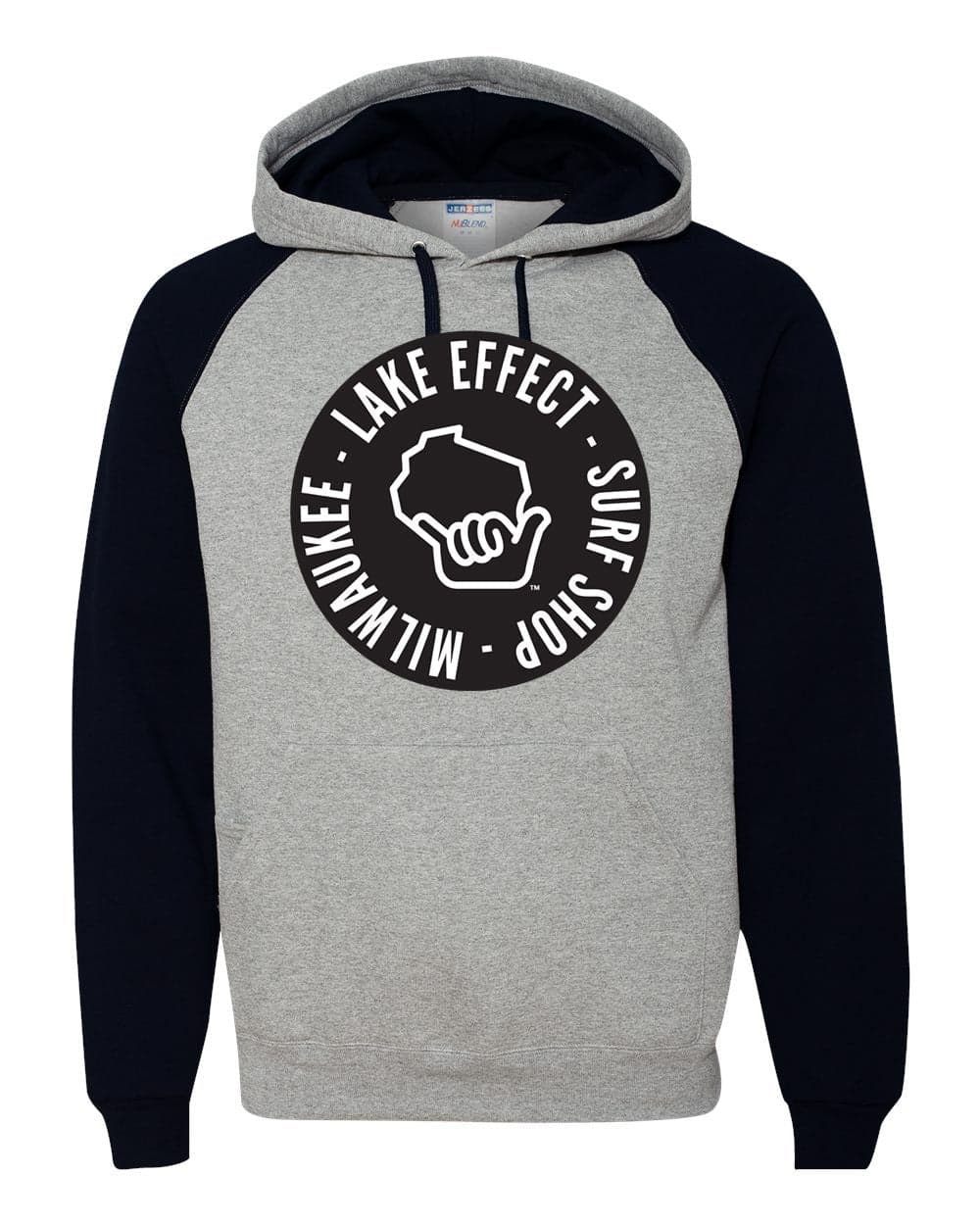
First Freeze Hoodie
$68.00
"The hood stayed up the whole paddle out."
Boots, Gloves & Hoods
Your extremities lose heat fastest. Protect them or lose the session.
Boots
- Split-toe provides better board feel and grip. Round-toe is warmer but clunkier. Go split-toe above 38°F.
- 5mm for fall, 7mm for winter. Thicker boots sacrifice feel but keep your feet from going numb.
- Internal drainage is key — look for models with drain holes at the heel. Water entry is inevitable.
- Size up slightly from your shoe size. Neoprene compresses in cold water. Tight boots restrict circulation.
Gloves
- 3-finger lobster mitts are the move below 40°F. Fingers share warmth. 5-finger gives more dexterity for fall sessions.
- Dexterity trade-off is real. 7mm lobsters keep hands warm but make paddling harder. Pre-wax your board — you are not adjusting leash straps out there.
- Pre-warm your gloves with hot water before suiting up. Cold neoprene against cold hands equals instant pain.
- Tuck gloves under suit cuffs to prevent flush. Some models have wrist cinches — use them.
Hoods
- Ice cream headaches are real and debilitating. A hood is not optional below 45°F. Your head loses heat faster than anywhere else.
- Integrated hoods eliminate the gap between hood and suit where cold water sneaks in. Worth the extra cost below 40°F.
- Ear protection matters. Surfer's ear (exostosis) develops faster in cold water. Hoods with ear panels slow bone growth in the ear canal.
- Consider a surf helmet in arctic conditions. Ice chunks and slush move unpredictably. Safety over style.
Editor's Kit

Dawn Patrol Beanie
$24.00
"Wind took it off my head at Atwater once."
Board Selection for the Lakes
Lake waves are short, punchy, and unpredictable. Your quiver should reflect that.
Volume recommendation: Add 5-10L beyond your normal shortboard volume. Cold water rubber makes you less flexible and you will paddle slower. More foam equals more waves.
The Car Kit
What every Great Lakes surfer keeps in the trunk. You will use all of it.
Changing Poncho
Change anywhere. Keep car dry.
Hot Water Thermos
Pour over hands and feet post-surf.
Dry Bag + Warm Clothes
Fleece, wool socks, beanie. Bone dry.
Hand & Toe Warmers
Stuff in boots pre-surf. Lifesaver post.
Towels (Plural)
One is never enough. Bring three.
Vaseline
Apply to face. Prevents wind burn and rash.
First Aid Kit
Cuts, scrapes, and fin gashes happen.
Tow Strap
Remote beaches. Sandy roads. You will get stuck.
Post-Surf Essentials from the Shop
Wetsuit Care & Longevity
A $500 suit lasts 3 seasons with care. Or 1 season without it.
The Investment
What a full cold water setup actually costs. No sugarcoating.
“Cheaper than a ski pass. And the lake never closes.”
Complete Your Kit
Continue Reading
More guides from the Freshwater Frontier.